


Key Highlights for the Managed Security Services:
- The Current Cybersecurity Landscape
- Why In-House IT Teams Are Not Enough
- Benefits of Managed Security Services
- The Difference Between MSSPs and Traditional Cybersecurity Solutions
- How to Choose the Right Managed Security Service for Your Business
- Challenges & Considerations
- Future of Managed Security Services
If there is anything that the recent spat between Pakistan and India has taught us, it is that one can never be too careful. Now that cyber warfare has reached all new heights, many government and business entities on both sides of the border are forced to confront the cold, hard truth; in order to ensure that sensitive information is kept safe from cyber threats, we must invest in a system that encourages the use, transfer, management and storage of data in a secure and efficient manner.
The Current Cybersecurity Landscape
According to a report developed by the World Economic Forum titled ‘Global Cybersecurity Outlook 2025’, ransomware is the biggest cyber threat faced by organizations today, with 45% of respondents labeling it as their topmost security concern in the survey.
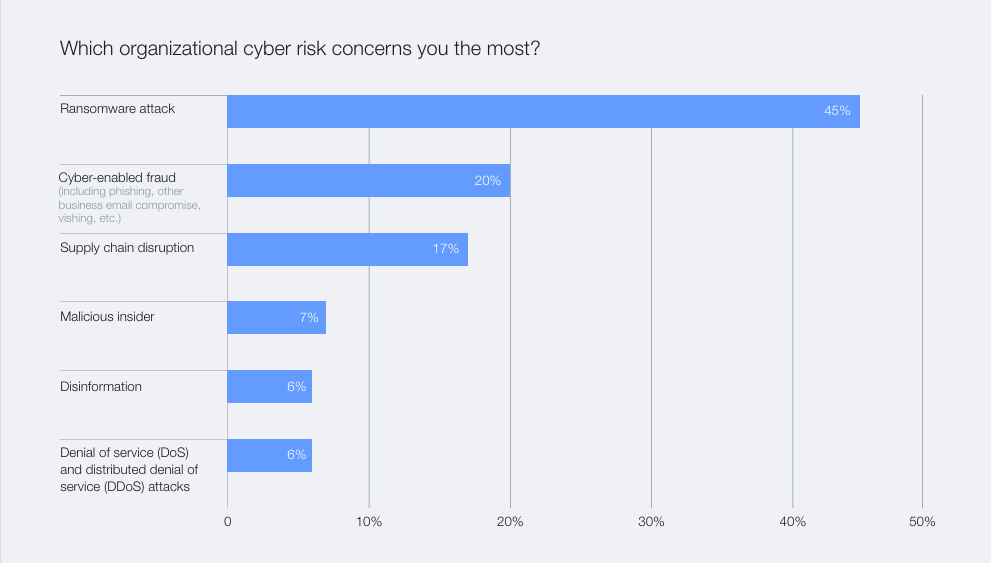
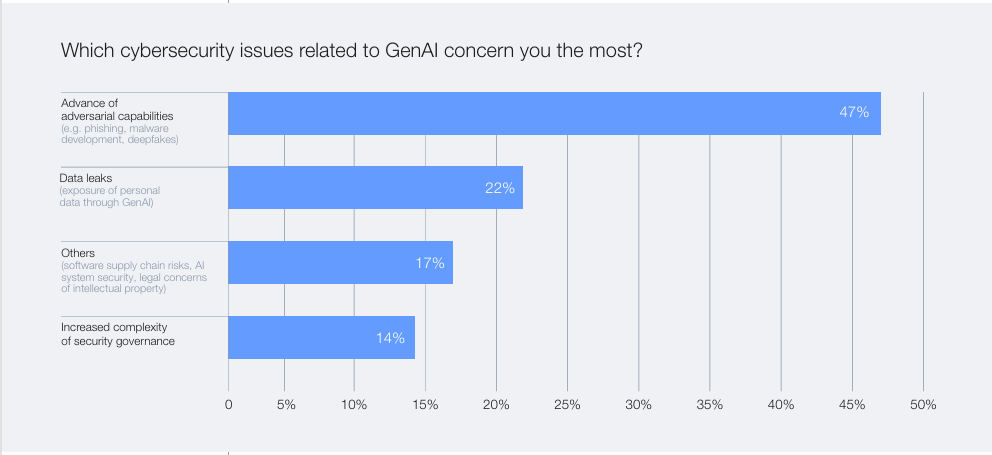
With greater technological advancements at their disposal, most notably AI, cyber attackers are increasing the speed and efficiency of their attack. Many AI tools offer the ease and convenience that hackers need to modify existing cyber attacks such as ransomware and business email compromise (BEC) and target organizations, both public and private, at their very core. It is for this reason that in the aforementioned survey, 47% of organizations have labeled advancements in adversarial capabilities using Gen AI as their top concern. In fact, in just the past year, around 42% of businesses experienced a successful social engineering attack on their systems, a figure that is expected to increase in the future.
“AI is accelerating both cyber threats and regulatory responses. Policymakers are scrambling to put guardrails in place, but the pace of innovation is making it harder than ever to keep up.”
Keith Enright, Partner, Gibson, Dunn & Crutcher (Former Chief Privacy Officer, Google)
Why In-House IT Teams Are Just Not Enough
While it does make sense for companies to delegate the responsibility of safeguarding their information management systems to their in-house IT departments, especially in terms of finance, the constant threat of highly complex cyber attacks combined with limited resources and expertise result in such teams being highly burdened and overwhelmed.
In-house IT teams play an integral role in ensuring a company’s operational efficiency and technological efficacy. However, when it comes to dealing with modern-day cyber threats, several factors come into play:
Limited Time & Resources
IT departments serve as the technological backbone of an organization as they have to resolve issues that affect all other departments. From hardware issues to ensuring that a company’s network is up and running smoothly, many IT teams thus barely find the time to develop strategies that would help them stay ahead of cybersecurity threats and instead are almost always in a reactive mode, dealing with immediate IT problems as they come.
Lack of Specialized Expertise
Understanding how cybersecurity works means comprehending the various, complex technologies and mechanisms used in establishing a digital security infrastructure as well as the various ways hackers can jeopardise it. Most IT teams today lack the expertise and knowledge in identifying cyber threats, responding to them and implementing strategies to secure their information network. This leaves companies exposed to attacks that can damage them severely.
The Case for Managed Security Services Providers (MSSPs)
For companies who want to not only be able to deal with such threats but also stay ahead of them and stay protected, a comprehensive and efficient information management security system is key. This is where Managed Security Services Providers (MSSPs) come in.
Managed Security Services Providers (MSSPs) offer high quality online security solutions that allow organizations to enhance their cybersecurity capabilities. These include end-to-end surveillance, comprehensive vulnerability assessments, cybersecurity audits, incident response, security compliance as well as user behaviour analytics all in one, complete package.
One key aspect of Managed Security Services Providers (MSSPs) is that they operate from high availability Security Operation Centers (SOCs). This means that they operate continuously for a certain period of time, without interruption, which enables them to provide security coverage 24/7.
The Difference between Managed Security Services Providers and Traditional Cybersecurity Solutions
You may be wondering what distinguishes Managed Security Services Providers from a company’s traditional cybersecurity function as both involve ensuring digital protection of an organization’s information management systems and framework.
Traditional cybersecurity solutions involve the use of a business’s internal digital security infrastructure for maintaining online security. Mostly, it requires the engagement of specialized IT personnel as well as a high level of investment in the purchase, installation and management of security tools, technologies and equipment, all of which may or may not result in targeted cybersecurity for the company.
Managed Security Services Providers (MSSPs), on the other hand, rely on highly efficient and effective technological platforms that help strengthen an organization’s cybersecurity. Companies get access to a variety of highly specialized experts that provide around the clock security services as well as the following benefits:
- 24/7 monitoring and response
Due to their systems’ ability to remain operational all the time, MSSPs are able to conduct 24/7 surveillance and thereby detect threats ahead of time.
- Vulnerability Management
In addition to constant protection, MSSPs also specialize in identifying potential shortfalls or weaknesses within an organization’s security framework. This helps them prevent cyber attacks and even mitigate losses, should one occur.
- Incident Response
MSSPs are also proficient and highly responsive in initiating significant protocols that deal with the identification and immediate removal of a potential threat. This helps them eliminate any dangers to the safety of their information management system.
- Compliance Support
With the constant rise of cyber threats, it has become imperative for organizations in virtually every sector to adopt international standards of information security management. Managed Security Services Providers (MSSPs) facilitate companies by not only assisting them incorporating the necessary security protocols but also provide training and certification courses that properly equip organizations against cyber attacks.
- Decentralized Security System
By taking charge of an organization’s cybersecurity responsibilities, Managed Security Services Providers enable businesses to focus on fulfilling their strategic business objectives, such as growth and innovation.
Choosing the Right Managed Security Services Provider (MSSP)
Deciding to enlist the services of a Managed Security Services Provider is an important first step. However, that is only half the battle. The next step involves deciding which MSSP would be right for your business. There are several factors to consider in this regard:
- Do they have experience dealing in your industry?
While Managed Security Services Providers offer scalable and flexible cybersecurity solutions that can be applied to most organizations, regardless of what sector they operate in, it is, nevertheless, important to ask whether they have experience developing cybersecurity solutions specific to your industry (especially if it is a niche segment). Having the necessary experience means that they are familiar with the opportunities and risks associated with that particular industry and have the ability to create strategies to counter them
- Do they offer Service Level Agreements (SLAs)?
Service Level Agreements (SLAs) helps define the services to be offered along with performance expectations, availability requirements and finally, remedies for any violations. Think of them as a contract that is legally binding on both parties, thus ensuring that both strive to keep their ends of the bargain.
- Do they provide local or global coverage?
The experience and expertise of any Managed Security Services Provider (MSSP) lies in their ability to offer cybersecurity services on either a local or a global level. Offering protection on a global basis ensures that any and all cyber threats from regions around the world can not only be identified and intercepted but even prevented.
The Future of Managed Security Services (MSS)
With a variety of technological trends continuously reshaping the cybersecurity landscape, the future of managed security services looks bright as many organizations look towards outsourcing their cybersecurity needs. The following developments play a pivotal role in how managed security services will be viewed in the future.
- Role of AI & Automation in Threat Detection
In 2025 and beyond, the need to be proactive and detect threats before they take place holds top priority. AI cybersecurity make this possible through:
- Behavioural analysis (for the detection of unusual user activity)
- Machine learning algorithms (to learn from past breaches and spot new attack patterns)
- Faster response times (AI-powered platforms speed up the process from detection to action)
Similarly, routine cybersecurity practices that used to be done manually can now be automated. Repetitive tasks such as routine patch management, log analysis and alert triage, vulnerability scanning and remediation and compliance reporting and audit trails are now being taken over by machines so that security teams are free to respond to high level security situations.
- Zero Trust Architecture Integration
Many managed security services are beginning to inculcate the “Zero Trust Model” within their systems. This calls for constant verification, regardless of circumstance, thereby ensuring businesses stay secure. The steps involved include:
- Authenticating every user and device
- Applying strict access controls
- Using AI to detect insider threats and privilege escalation
- Growing Importance of MDR (Managed Detection & Response) and XDR (Extended Detection & Response)
To cater to the needs of businesses that want to stay ahead of cyber threats and attacks, a lot of managed security services providers will have to integrate MDR (Managed Detection & Response) and XDR (Extended Detection & Response) within their system offerings. MDR enables organizations to respond to cyber threats in real time whereas XDR is an automated threat detection system that can detect and identify threats over an extended period of time.
How Catalyic Security Can Help
Catalyic’s managed security services system offers a range of diverse cybersecurity solutions, catering to different organizational needs. Our approach involves end-to-end monitoring and surveillance combined with continuous threat detection and incident response strategies. In addition, our system engages in user behavior analytics as well as vulnerability scanning to ensure that our client’s cybersecurity structure is always operational and on alert. Finally, we facilitate organizations in adopting necessary protocols of international standards for information security management and getting certified through our accredited training programs.
All said and done, there is no question that given the ever-changing conditions of our cybersecurity landscape, organizations must equip themselves with the latest in threat detection, vulnerability management and incident response and do the utmost to fortify their business’s online security framework. This involves conducting a thorough risk assessment and proactively mitigating any preventable threats that are potentially damaging. Managed security services offer all this and more as a complete, one-stop solution, thereby freeing organizations to focus on strategic business objectives involving growth and innovation in their respective fields.